
Menu
Same-Day Service Available!

Tile and Grout cleaning in Franklin, Tennessee becomes a priority the moment you notice that dull, cloudy layer that won’t go away. Your tile might look “clean,” but it still feels tacky. It shows footprints. It looks hazy in sunlight. In some cases, grout lines even look darker because the film holds onto dirt and dries into the pores.
Grout haze and film usually come from residue. Sometimes it’s classic post-install grout haze left behind after a tile project. Sometimes it’s daily-life film from soap scum in bathrooms, greasy cooking residue in kitchens, or mop product buildup that keeps layering on top of itself. Tile might be smooth, but it still holds residue in texture and tiny pits, especially on matte tile. Grout is porous, which means it absorbs dirty water and cleaner film quickly. When you rinse with too much water or use too much soap, the film can settle into grout and dry back in place.
In Franklin, Tennessee homes, we often see this in kitchens, entryways, and bathrooms because those spaces get the most traffic and moisture. Many people try harsher cleaners, but harsh products can damage certain surfaces, and they still won’t fix the problem if the removal and rinse steps are wrong.
Our team has more than 30 years of trusted service experience, and the best results come from a quick-drying, residue-removal approach. We also keep methods family-safe because floors are part of everyday life for kids, pets, and everyone in the home.
Tile and Grout cleaning works best when you stop feeding the film layer. Scrubbing harder can roughen grout, spread residue, and leave even more haze. The real fix is to loosen the haze, lift it off the surface, remove dirty solution completely, rinse with controlled moisture, and dry quickly.
This guide walks you through a 10-step process you can follow at home. You’ll learn what’s safe vs what’s risky, how to handle grout haze versus soap film versus greasy residue, and when professional tile and grout cleaning is the better option if the haze keeps returning. Keep reading. Step 1 starts now.
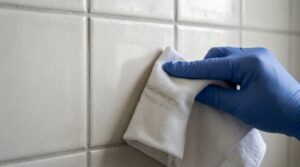
Not all haze is the same. In Franklin, Tennessee, most “cloudy tile” problems fall into three categories:
Post-install grout haze that feels chalky or dusty.
Daily-use film that feels slippery, sticky, or tacky.
Mineral or hard-water film that doesn’t respond much to basic cleaners.
Quick wipe test:
Wipe a tile with a clean damp white cloth.
If a chalky residue transfers, it’s likely grout haze.
If the cloth glides oddly and the tile feels sticky after, it’s likely cleaner or soap film.
If the surface looks the same, mineral film may be involved.
What’s safe:
Testing a small area first.
Changing the approach based on what you observe.
What’s risky:
Using harsh chemicals without knowing the haze type.
Ceramic and porcelain tile are usually more forgiving. Natural stone, like marble, limestone, travertine, or slate, needs special care because acidic products can etch the surface. If you’re unsure, treat it like stone and start gentle.
What’s safe:
Spot testing in a hidden corner.
Using a product labeled safe for your tile type.
What’s risky:
Acidic haze removers on natural stone.
Abrasive pads on glossy tile.
Tile and Grout cleaning starts with dry removal because loose dirt turns into muddy film when it gets wet. Vacuum or dust mop first. Focus on grout lines near baseboards, corners, and traffic paths.
Expert tip: Use a vacuum crevice tool along grout lines at the edges of the room. Those areas hold grit that gets dragged across the floor during mopping and creates haze.
What’s safe:
Microfiber dust mops and vacuum hard-floor settings.
What’s risky:
Wet mopping over dusty tile and spreading a cloudy layer.
Dwell time replaces heavy scrubbing. Apply a grout-safe cleaner that matches the problem:
For bathroom soap film, use a cleaner designed to cut soap scum and residue.
For kitchen film, use a grout-safe degreasing cleaner.
For post-install grout haze, use a grout haze remover only if the tile surface can handle it.
Let the cleaner sit for 5–10 minutes in a small section so it can loosen the film.
HGTV offers practical guidance on tile and grout cleaning, including how buildup forms in bathrooms and why technique matters.
What’s safe:
Small sections and dwell time.
Re-wetting lightly if the product starts to dry.
What’s risky:
Letting cleaner dry on the tile.
Using too much product and creating more residue.
Use a nylon brush for grout lines and a non-scratch scrub pad or microfiber scrub pad for tile surfaces. Work in smooth, consistent passes. The goal is to lift film, not grind it into the surface.
What’s safe:
Nylon brushes and non-scratch pads.
Light pressure and steady strokes.
What’s risky:
Wire brushes and abrasive pads that scratch tile or roughen grout.
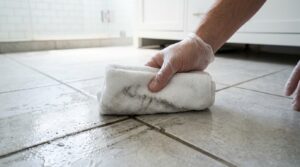
Tile and Grout cleaning fails when the loosened film stays on the floor. After dwell time and light agitation, the haze is now floating in the cleaner on the surface. If you mop over it with dirty water, you smear the residue across the tile and it dries back into a cloudy layer.
Use microfiber pickup:
Wipe the section with a clean microfiber towel or a clean flat mop pad.
Flip the towel frequently or swap pads often.
Keep wiping until the tile feels less slick and looks clearer.
This step is what separates a real haze removal from “it looks good while wet but cloudy again later.”
What’s safe:
Microfiber towels that absorb and lift residue.
Small sections and frequent pad changes.
What’s risky:
Scrubbing the whole floor first and trying to mop it all afterward.
Using a string mop that spreads dirty solution.
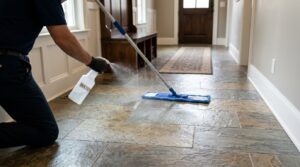
Rinsing is necessary, but flood rinsing is one of the biggest reasons grout haze and film come back. Too much water pushes dirty rinse water into grout pores and leaves minerals and cleaner residue behind on tile as it evaporates.
Controlled rinse method:
Fill a spray bottle with clean warm water.
Lightly mist the tile and grout in the section you just wiped.
Wipe immediately with a fresh microfiber towel or clean mop pad.
Repeat once if the surface still feels slippery.
If you use buckets, the mop pad should be damp, not dripping, and rinse water should be changed often.
What’s safe:
Light mist and immediate wipe.
Clean water and clean pads.
What’s risky:
Dumping water on tile and pushing it around.
Letting rinse water air-dry without wiping.
Drying is where clear tile happens. If you leave the surface wet, residue and minerals can dry into streaks and haze, especially in Franklin, Tennessee humidity. After rinsing, dry the area with a towel or dry microfiber pad.
Helpful drying habits:
Run a ceiling fan or a box fan aimed across the floor.
Keep the room ventilated if the air is dry.
Avoid walking on damp tile because it pushes residue into grout lines.
Expert tip:
If the tile looks clearer when wet but cloudy after drying, the surface still has residue. Repeat a controlled rinse and dry pass before you add more cleaner.
Many haze problems aren’t one-time issues. They come from repeated product buildup. Some mop solutions, scented detergents, and “shine” products leave a coating. That coating attracts dust, and tile starts looking cloudy again quickly.
To prevent repeat film:
Use less cleaner than you think you need.
Avoid “shine” products that leave coatings.
Use microfiber pads and change them often.
Rinse and dry occasionally in high-traffic zones.
If tile feels tacky after weekly mopping, product film is building. A residue-free routine is the fastest way to keep the floor looking clear.
DIY works for light film. Professional help is often the best choice when:
The haze is heavy and widespread.
Tile stays cloudy in sunlight no matter what you do.
Grout lines keep darkening because film holds dirt.
You suspect post-install grout haze that needs specialized removal.
Your tile is natural stone and you want to avoid damage.
If haze keeps returning or the DIY steps feel risky for your tile, scheduling professional tile and grout cleaning can save time and prevent surface damage from trial-and-error products.
Tile and Grout cleaning removes the film that makes floors look dull and cloudy. When haze is gone, the tile finish looks more consistent and the room looks cleaner overall. This is especially noticeable in Franklin, Tennessee homes with bright windows or open-concept kitchens where light highlights streaks.
This is not a medical promise. It’s a comfort benefit. Film and residue can hold onto stale odors and make rooms feel less clean. Removing that buildup often helps the space feel fresher without needing sprays or strong scents.
Once you remove film correctly, routine cleaning becomes simpler. Dust mopping works better. Light damp cleaning doesn’t smear residue. Grout lines stay more consistent because they’re not absorbing dirty mop water and film each week. That means less scrubbing and fewer repeat cleanups.
Harsh scrubbing and strong products can roughen grout and dull tile over time. Professional-style methods focus on controlled moisture, correct agitation, thorough removal, and proper drying. That protects the surface and helps it look better longer.
The biggest benefit is breaking the cycle. When you remove haze, reduce residue buildup, rinse correctly, and dry quickly, tile stays clearer longer. That reduces how often you feel like you need to deep clean the same floor again and again.
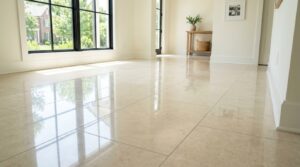
Tile and Grout cleaning lasts longer when you keep grit off the floor before you ever mop. Dust and fine debris settle into grout texture and tile pores. When you wet mop over that debris, it turns into a cloudy slurry and dries back into the surface as haze.
A simple routine for Franklin, Tennessee homes:
Dry mop or vacuum tile floors 3–5 times a week in busy areas.
Do a full dry pass weekly, including baseboards and corners.
Use microfiber because it grabs debris instead of pushing it.
This reduces how much grime gets mixed into mop water, which helps tile stay clearer between deep cleans.
Many haze and film problems come from product residue. Some mop solutions are designed to smell strong and leave a “clean feeling,” but they also leave a coating. That coating attracts dirt and makes tile look cloudy again quickly. Shine products make this worse because they layer on top of old residue.
For better Tile and Grout cleaning results:
Use a grout-safe cleaner sparingly.
Avoid adding extra soap when tile looks dull.
Rinse with clean water occasionally using a light mist and microfiber wipe.
Dry high-traffic lanes after damp cleaning so residue doesn’t settle.
If tile feels tacky after drying, you’re dealing with film, not just dirt.
In Franklin, Tennessee homes, kitchens and bathrooms create different types of haze. Kitchens often have greasy cooking film that mixes with dust. Bathrooms often have soap scum and product buildup. Using the same mop routine everywhere can leave the real film behind.
Kitchen strategy:
Wipe down high-traffic kitchen paths more often.
Use a grout-safe cleaner that cuts grease film.
Rinse and dry to prevent oily residue from smearing.
Bathroom strategy:
Reduce soap scum by wiping wet areas and running ventilation.
Use a cleaner designed for soap film when needed.
Rinse thoroughly because soap residue can cause streaking.
HGTV’s tile and grout cleaning guidance is a helpful baseline for bathroom buildup and why residue removal matters.
Abrasive pads, wire brushes, and harsh acidic products can cause long-term damage, especially on polished tile or natural stone. They can also roughen grout, making it more likely to trap dirt and film later. That’s how haze problems become recurring.
Safer choices:
Nylon grout brushes
Non-scratch scrub pads
Microfiber for pickup and rinsing
Controlled moisture and fast drying
Risky choices:
Wire brushes and abrasive powders
Flood rinsing that leaves minerals behind
Mixing chemicals to “make it stronger”
If you’re unsure about tile type, start gentle. A small test spot saves a lot of regret.
Most tile haze problems improve when you remove film fully and stop rebuilding residue. However, some floors have heavy buildup, post-install haze, or grout that absorbs dirty water quickly because sealer is worn.
Gentle scheduling reminder:
If you’ve improved your routine and tile still looks cloudy in sunlight or feels tacky soon after mopping, professional Tile and Grout cleaning can save time and protect your surfaces. You can schedule online today and review service details here.
Tile and Grout cleaning works when the dirty solution leaves the floor. Many DIY methods loosen haze and then smear it across the tile with mop water. Our approach focuses on loosening the film, lifting it out of texture and grout pores, and removing it completely so it doesn’t dry back into a cloudy layer.
Moisture control matters on tile because grout absorbs dirty water and residue can redeposit as it dries. We keep moisture controlled and purposeful, then focus on drying so the final look is clean and consistent. This quick-drying mindset helps reduce streaks and helps tile stay clearer longer between cleanings.
Our company has more than 30 years of experience built on customer care and strong values. We bring that same mindset into Franklin, Tennessee homes by keeping methods practical, family-safe, and focused on real results. Floors are daily-use surfaces. We treat your home with care and keep the process straightforward and respectful.
Grout haze and film can be frustrating because it feels like no cleaner works. We aim to remove the guesswork by identifying whether the haze is post-install residue, soap film, grease film, or product buildup. Then we focus on the correct removal steps and a maintenance plan that keeps the film from returning quickly. If you want clear tile that stays easier to maintain, a professional reset can make a big difference.
Cloudy tile after cleaning usually means residue is still on the surface or the rinse step redeposited film. Many DIY routines loosen grime, then spread it with dirty mop water. Another cause is using too much cleaner. Excess product can dry into a thin film that looks hazy in sunlight. In Franklin, Tennessee, humidity can slow drying, which makes residue more visible because it has more time to settle as water evaporates. For Tile and Grout cleaning, the fix is usually better removal and controlled rinsing. Wipe up dirty solution with microfiber, rinse lightly with clean water, and dry the floor so residue doesn’t dry back into streaks. If the haze is post-install grout haze, it may require a specialized grout haze remover and careful handling depending on the tile type.
Grout haze from installation often feels chalky or powdery and appears as a uniform cloudy layer, especially after tile work. Everyday film tends to feel tacky or slippery and often shows more in traffic lanes or near sinks, stoves, and showers. A simple test is the damp cloth wipe. If the cloth pulls up chalky residue, grout haze is likely. If the tile feels sticky and the cloth glides oddly, cleaner residue or soap film is more likely. In Franklin, Tennessee homes, kitchens often have grease film mixed with mop residue, while bathrooms often have soap scum. Tile and Grout cleaning works best when you match the product to the haze type and focus on thorough removal rather than repeated mopping.
A safe DIY method uses dwell time, light agitation, microfiber pickup, controlled rinsing, and fast drying. Dry-remove grit first. Apply a grout-safe cleaner appropriate for the film type and let it dwell a few minutes. Agitate lightly with a nylon brush for grout lines and a non-scratch pad for tile. Then wipe up the dirty solution with microfiber instead of spreading it. Rinse using a light mist of clean water and wipe again, then dry. Avoid flood rinsing and avoid abrasive pads. If your tile is natural stone or you’re unsure of the surface type, start with the gentlest method and spot test. For Tile and Grout cleaning, the biggest improvement usually comes from better residue removal and better rinsing, not harsher scrubbing.
If haze “comes back,” it usually means it never fully left. What often happens is the tile looks clearer when wet, then dries cloudy again because residue is still present. Another cause is mop product buildup. Some cleaners and detergents leave a coating that attracts dirt and dries into haze. In Franklin, Tennessee, slow drying can make this worse because minerals and residue settle as water evaporates. For Tile and Grout cleaning, remove dirty solution thoroughly, rinse lightly with clean water, and dry the floor. Also reduce how much product you use in weekly mopping. If the floor feels tacky after drying, that’s a sign product film is rebuilding and needs a residue reset.
Vinegar can help with some mineral deposits on certain surfaces, but it can be risky on natural stone and can produce inconsistent results if overused. It also won’t reliably remove heavy soap film or greasy residue without thorough rinsing. For Tile and Grout cleaning in Franklin, Tennessee, it’s usually safer to use a grout-safe cleaner matched to the type of haze and then rinse correctly. If you choose to use vinegar, it must be diluted and only used on surfaces that can tolerate mild acidity, and you should always rinse and dry afterward. If you’re unsure of tile type, avoid vinegar because it can etch stone and dull some finishes.
Avoid “shine” products and heavy mop detergents that leave coatings. Those coatings attract dirt and turn into haze. Also avoid abrasive powders and harsh chemicals that can scratch tile or roughen grout. For Tile and Grout cleaning, residue-free is the goal. If tile feels sticky after drying or looks hazy at an angle, product buildup is likely. Reduce product use, rinse with clean water occasionally, and dry high-traffic lanes after damp cleaning. If you need stronger cleaning, use a grout-safe product designed for the specific film type instead of stacking multiple cleaners.
Schedule professional service when haze is heavy and widespread, when it returns quickly after DIY cleaning, or when you suspect post-install grout haze that needs specialized removal. It’s also smart to schedule if your tile is natural stone and you want to avoid damage from the wrong products. Professional Tile and Grout cleaning can lift embedded residue from grout pores and tile texture more evenly and remove film without you needing to guess.

Tile and Grout cleaning in Franklin, Tennessee works best when you remove haze completely instead of spreading it around. Dry-remove grit first, use the right cleaner with dwell time, agitate lightly, and wipe up dirty solution with microfiber. Then rinse with controlled moisture and dry the floor so residue doesn’t redeposit as it dries. Avoid heavy mop detergents and “shine” coatings that create film buildup and make haze return.
If your tile still looks cloudy in sunlight, feels tacky after mopping, or the haze keeps returning quickly, professional cleaning is often the fastest way to reset the surface and make weekly maintenance easier. Schedule an appointment with Safe-Dry Carpet Cleaning of Franklin, Tennessee today. We’ll help you get a clearer tile floor with results that hold up and a routine that doesn’t rebuild the film.


